
U.S. forces launch strike against ISIS in Syria in retaliation for attack that killed 3 Americans

The U.S. military has launched a large-scale strike against Islamic State group infrastructure and weapons sites in Syria, officials said Friday, following an attack on U.S. and partner forces in Syria last week that killed three Americans.
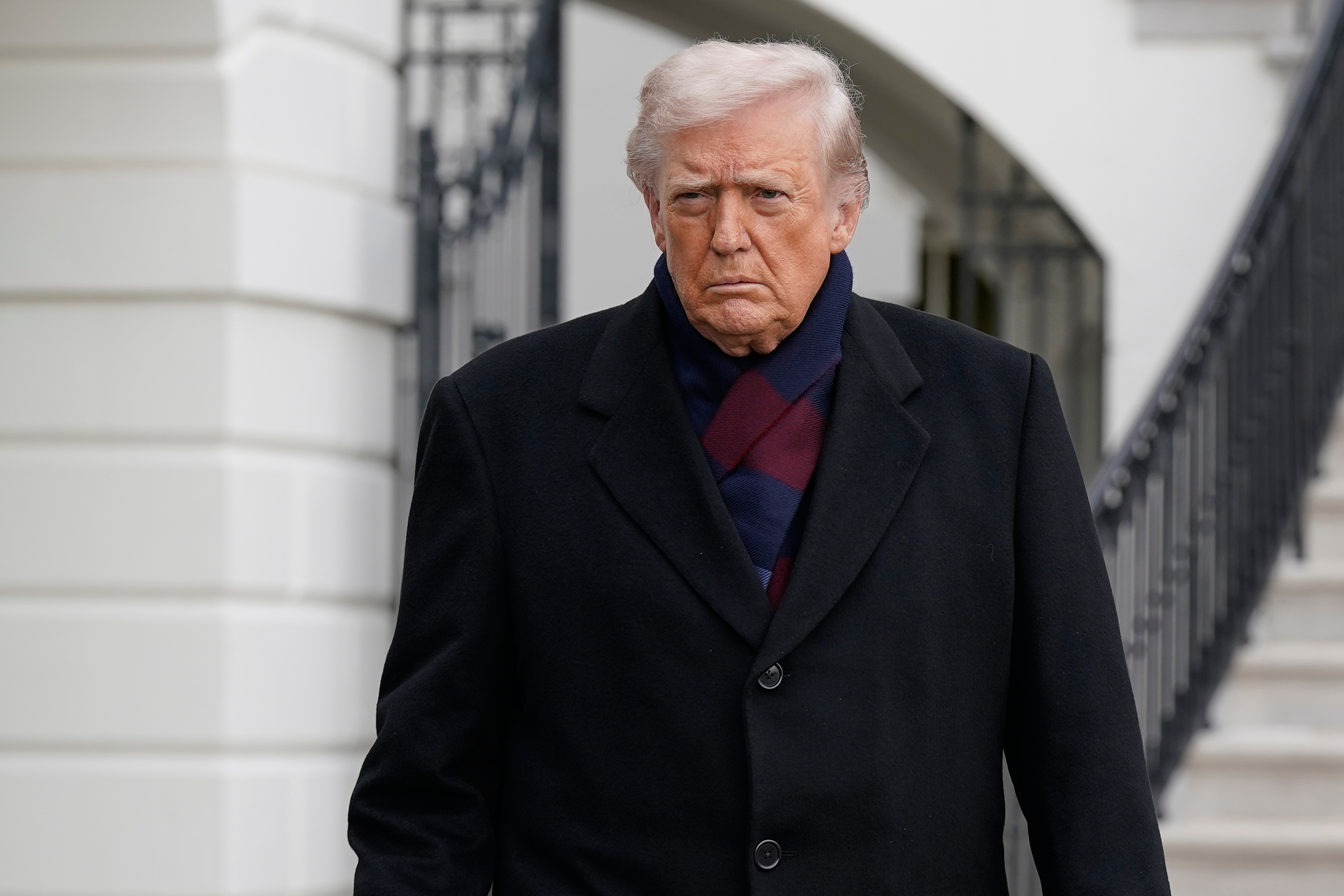
“Because of ISIS’s vicious killing of brave American Patriots in Syria, whose beautiful souls I welcomed home to American soil earlier this week in a very dignified ceremony, I am hereby announcing that the United States is inflicting very serious retaliation, just as I promised, on the murderous terrorists responsible,” President Donald Trump posted Friday on Truth Social. “We are striking very strongly against ISIS strongholds in Syria, a place soaked in blood which has many problems, but one that has a bright future if ISIS can be eradicated.”
Defense Secretary Pete Hegseth posted Friday about the attack on X.
“Earlier today, U.S. forces commenced OPERATION HAWKEYE STRIKE in Syria to eliminate ISIS fighters, infrastructure, and weapons sites in direct response to the attack on U.S. forces that occurred on December 13th in Palmyra, Syria,” he said.
Additional information about the strike and total casualties was not immediately available. Hegseth said in the post that “lots” of “enemies” were killed.
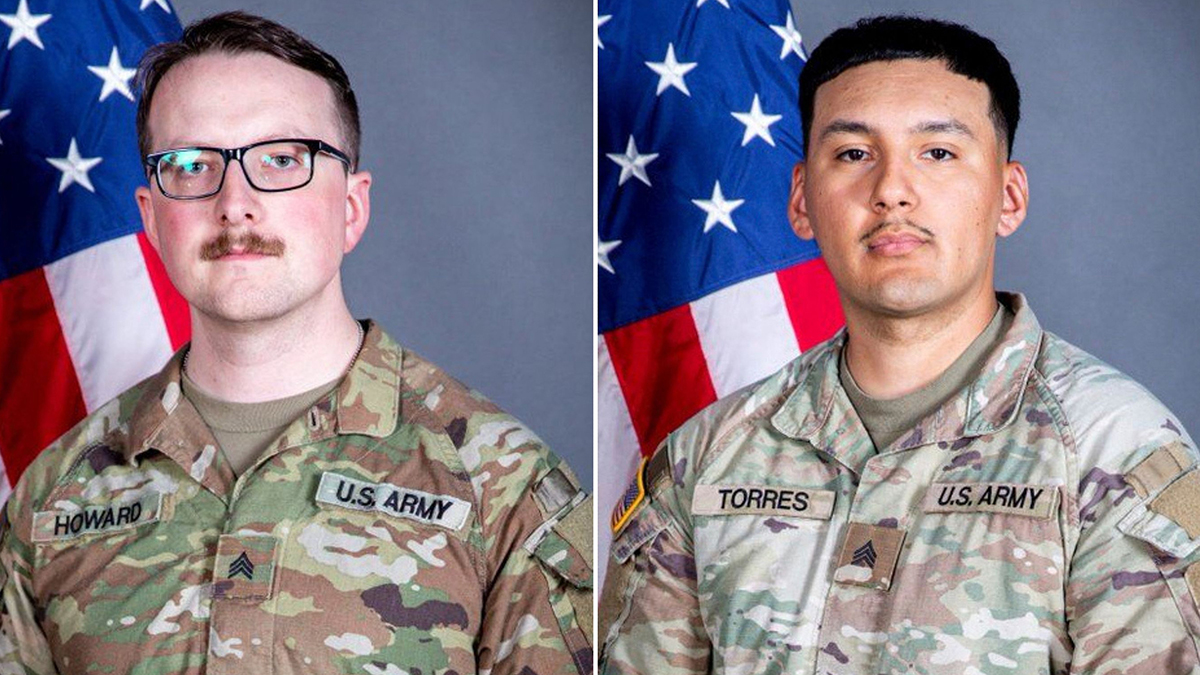
Trump vowed retaliation last Saturday after two U.S. Army soldiers and a civilian U.S. interpreter were killed in the attack, an incident the Department of Defense said occurred during a counterterrorism engagement.
“President Trump told the world that the United States would retaliate for the killing of our heroes by ISIS in Syria, and he is delivering on that promise,” Anna Kelly, White House deputy press secretary, said Friday about the attack.
Three other U.S. personnel were wounded in the Dec. 13 attack in Palmyra, Sean Parnell, the Pentagon’s chief spokesperson, said on X last Saturday. The soldiers “were conducting a key leader engagement” in “support of ongoing counter-ISIS operations,” he said.
Mosheh Gains contributed.