Trump admin can spin Iran exit but will fail to convince key group: analysis
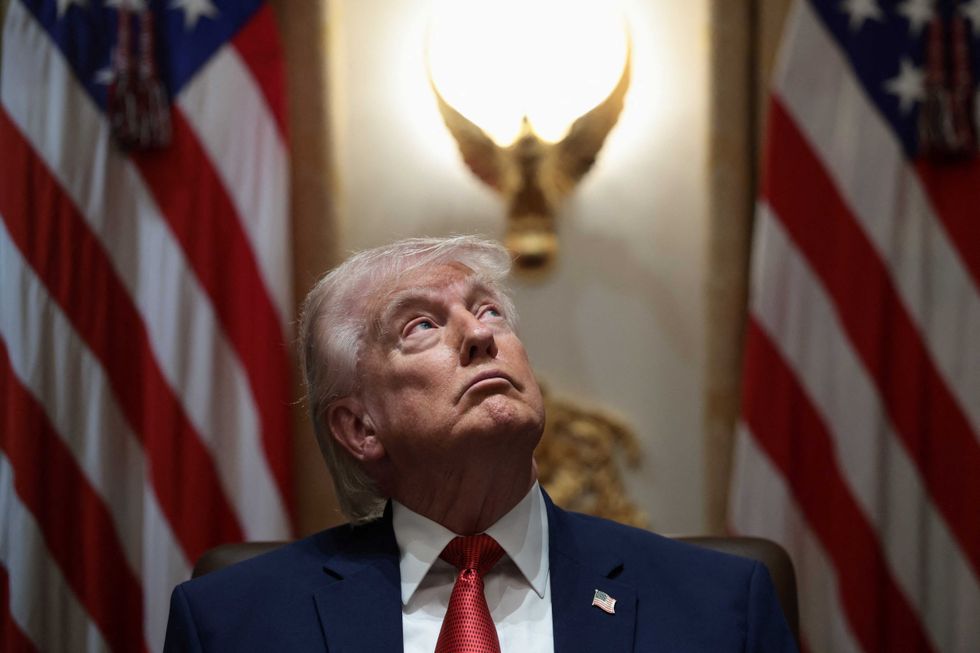
Donald Trump's administration may be ready to form an exit plan explanation for the Iran war, but it will fail to convince a key group, according to a political analyst.
Strikes on Iran last month affected crude oil prices, putting pressure on the United States' economy. Further explanations from the president's team left much to be desired, and, according to CNN analyst Stephen Collinson, the economic experts and markets are unlikely to be moved by an exit plan proposal.
Collinson wrote, "Walking away might leave turmoil. But it would be consistent with Trump’s methodology, which in practice has been more effective in destroying status quos than building new systems.
"It would also extend the America First principle that the country should act at all times within the confines of its exclusive national interests. And it would indulge Trump’s anger at NATO allies he regards as leeching off American security guarantees.
"But America doesn’t exist in a vacuum defined by Trump’s rhetoric. He’d struggle to outrun the economic and political reverberations of keeping the strait under the control of a reinvigorated Iran. Trump may be able to create political spin to explain his exit — but the markets are unlikely to be as easy to convince."
Collinson went on to warn that a sudden exit from Iran while the Strait of Hormuz remains closed could trigger a global economic crisis and even threaten global relations between the US and NATO allies.
"That economic blow threatens to set off a global recession that would crash onto US shores — possibly months before the midterm elections, in which Democrats hope to score a big win that will help them rein in Trump’s second-term power," Collinson wrote.
"More broadly, the fallout of the Iran war now threatens another consequence: an even deeper fracture in the transatlantic alliance. This would only underscore the need for European allies — and those Canadian Prime Minister Mark Carney calls ''middle powers' — to invest more in their own militaries with the understanding that America’s post-World War II security umbrella has become unreliable."