South Florida faces its coldest temperatures in more than 15 years

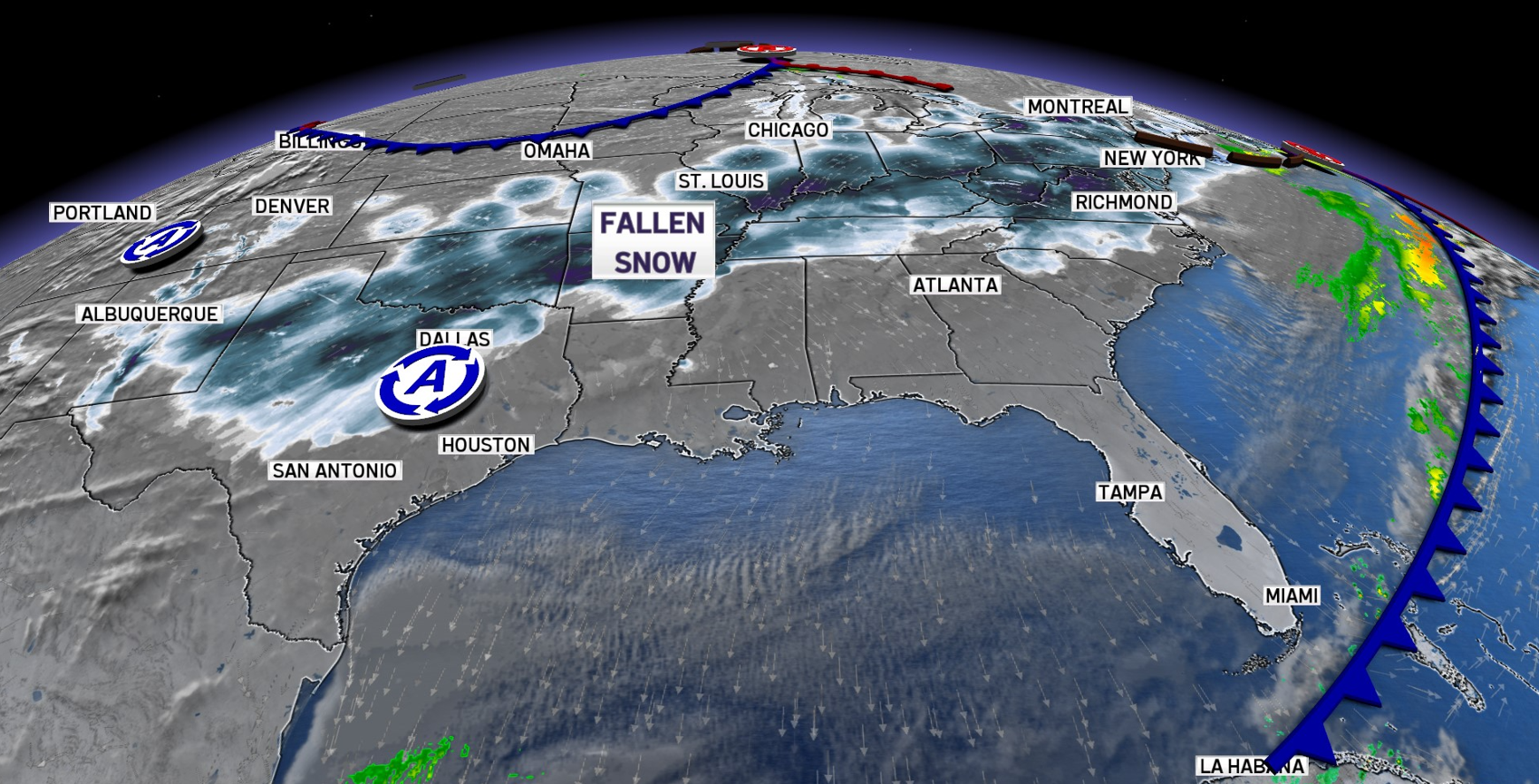
Starting Monday night, South Florida — including Miami and Fort Lauderdale — will begin to feel the impact of much colder air following the historic winter storm that affected large portions of the central and eastern United States.
The same atmospheric pattern that fueled that storm has allowed Arctic air to push farther south than usual. Widespread snow and ice to the north help reinforce a dense, cold air mass near the ground, making it easier for that chill to spill into Florida.
Over the next several days, a series of deep troughs dipping south along the East Coast will dominate the weather pattern. These dips in the jet stream act as a pathway, repeatedly funneling polar air into the Southeast. This means South Florida is not dealing with a single cold front, but multiple reinforcing pushes that will keep conditions cooler and drier through much of the week.
Monday night and Tuesday morning, low temperatures will fall into the lower 50s, with some inland and outlying areas dipping into the upper 40s. Friday and Saturday mornings are expected to remain in the mid-50s before an even stronger drop begins to take shape late in the week.
Forecast models indicate that by next weekend, a deeper Arctic air mass could move south, potentially driving overnight lows into the 30s in interior areas. The coldest mornings are expected Sunday and Monday.
Temperatures in the 30s are extremely rare in South Florida. Fort Lauderdale’s record low is 28°F, set on January 20, 1977. Miami last dropped to 36°F on December 14, 2010, with Fort Lauderdale reaching 34°F that same day. Current projections for early February are approaching those levels, underscoring how unusual this cold spell could be.
The Climate Prediction Center continues to highlight an elevated probability of well below-average temperatures across South Florida over the next 10 days, reinforcing expectations of an unusually cold end to January and start to February.
While it may seem contradictory, scientists note that climate change does not eliminate winter or Arctic outbreaks. Instead, it can increase weather variability and lead to more extreme swings. A warmer atmosphere holds more moisture, and when that moisture interacts with Arctic air, winter systems can intensify — as seen with the recent snow and ice storms across the country.
In short, South Florida is heading into a period of notable change: colder nights beginning tonight, reinforcing cold fronts through midweek, and the potential for a deeper Arctic blast next weekend that could bring some of the coldest temperatures seen in Miami and Fort Lauderdale in more than 15 years.