
In a blow to Midway Rising, CA Supreme Court leaves 30-foot height limit in place

The California Supreme Court has declined to hear the city of San Diego’s appeal to exempt the Midway Rising project from the area’s 30-foot height limit on buildings, dealing a blow to the yearslong redevelopment project around Pechanga Arena that has been at the center of multiple ballot measures and faced subsequent lawsuits.
The Supreme Court declined to hear the appeal on Dec. 30, leaving in place the 30-foot limit, after an October ruling from the appellate court that the city did not adequately assess in its environmental review how taller buildings could affect air flow, construction noise and Peregrine falcons’ ability to nest, among other issues.
Previous coverage:
“While we are disappointed that the Supreme Court declined to hear the City’s appeal, this procedural decision does not change our commitment or our momentum to redevelop the Sports Arena site. We continue to disagree with the lower court’s ruling, but we are not standing still,” San Diego Mayor Todd Gloria and City Attorney Heather Ferbert said in a joint statement.
“The City is actively pursuing options that will provide a clear and durable path forward for this transformational project — one that will deliver thousands of new homes, including affordable housing, permanent jobs, a modern entertainment venue, and significant economic benefits for San Diego,” the statement continued.
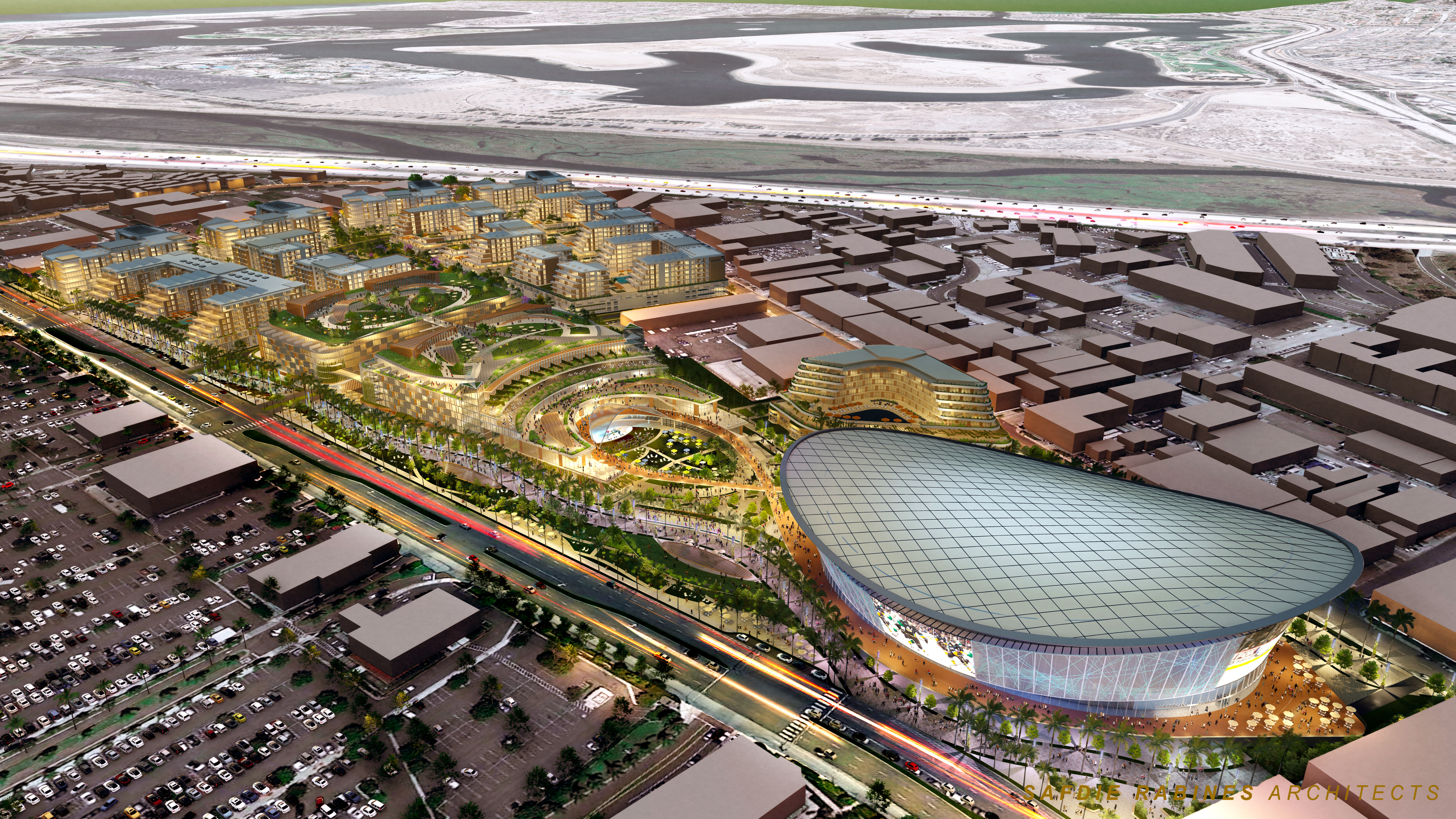
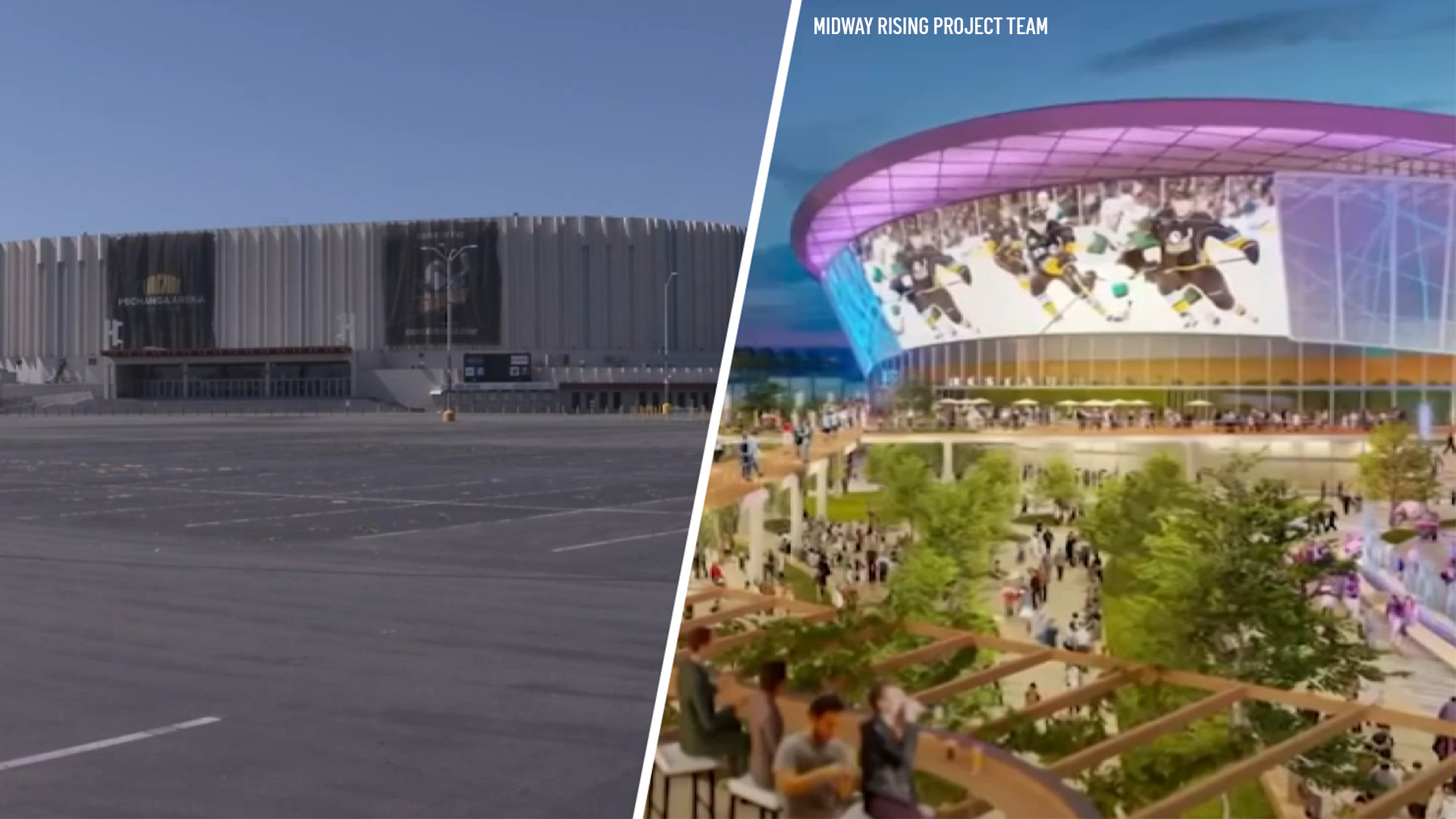
For the better part of a decade, the city has been looking to redevelop the publicly owned land in the Midway District with a new 16,000-seat entertainment venue, 4,250 homes, retail space, parks and other amenities.
In 2020, voters approved a ballot measure allowing construction to be built higher than 30 feet, which is a restriction passed by San Diego voters in 1972 to preserve beach access and the character of coastal communities.
After the 2020 ballot measure, a group called Save Our Access sued the city under the California Environmental Quality Act, or CEQA, arguing the city failed to properly study the project’s impacts in its environmental review.
The group won, and San Diego did another environmental review, returning to voters with a second ballot measure to lift the height limit. The ballot measure passed in 2022, and Save Our Access sued again.
“It’s a city within a city. It’s a second downtown. It is such a dense amount of people that you have immense impact,” said John McNab of Save Our Access. “Basically, you create a tipping point on all the freeways. It’s a traffic Armageddon.”
“That’s a whole neighborhood being lifted up vertically,” said Mandy Havlik of the Peninsula Community Planning Board. “If we continue to densify our neighborhoods and not invest in those neighborhoods and invest in the future that we’re selling our communities, we’re going to continue to have issues with the infrastructure, with traffic, with environmental issues.”
Late last month, Gov. Gavin Newsom and Attorney General Rob Bonta sent a letter to the Supreme Court asking them to hear the city’s appeal in part because it has broader implications, asking the court to help clarify what can and should be evaluated under CEQA, to help address California’s housing crisis more quickly.
“The lack of clarity in judicial precedent as to what CEQA requires when land-use and zoning plans are amended subjects governmental entities to the threat of multiple rounds of approvals and litigation, and perhaps to multiple rounds of voter referenda. Given the urgency of the housing crisis, clarity on the subject is urgently needed, and should be provided by this Court,” their letter reads.
“It kind of creates an impossible situation for cities if every time they do an environmental study, an individual who is dissatisfied with the project can go to court and get the court to second guess something that maybe could have been studied, but the city didn’t think to study it initially,” said Chris Elmendorf, a law professor and land use expert at University of California, Davis.
The city has not specified what its options for next steps on Midway Rising may be after the Supreme Court declined to hear the appeal. Elmendorf said possibilities include new state legislation, or using California’s density bonus law to exempt the project with a waiver based on its affordable housing units.
“There’s some legal risk that if you request a waiver. Someone might sue and say, ‘Oh, that waiver can’t be provided,’” Elmendorf said. “I think that lawsuit would fail. But obviously a developer who’s thinking about a project would prefer to have a path to getting the project approved that doesn’t present any risk of litigation at all.”
Save Our Access said Tuesday it would challenge any such attempt to use the density bonus law.
“They can’t use it,” McNab said. “We’d also probably end up having to bring legal action.”
“The thing is, the height limit, they can look to get around it,” he continued. “But they’re going to have a lot of trip wires along the way.”
This story was originally reported for broadcast by NBC San Diego. AI tools helped convert the story to a digital article, and an NBC San Diego journalist edited the article for publication.