Freeze warning in parts of South Florida for temps in low-30s, upper-20s: NWS
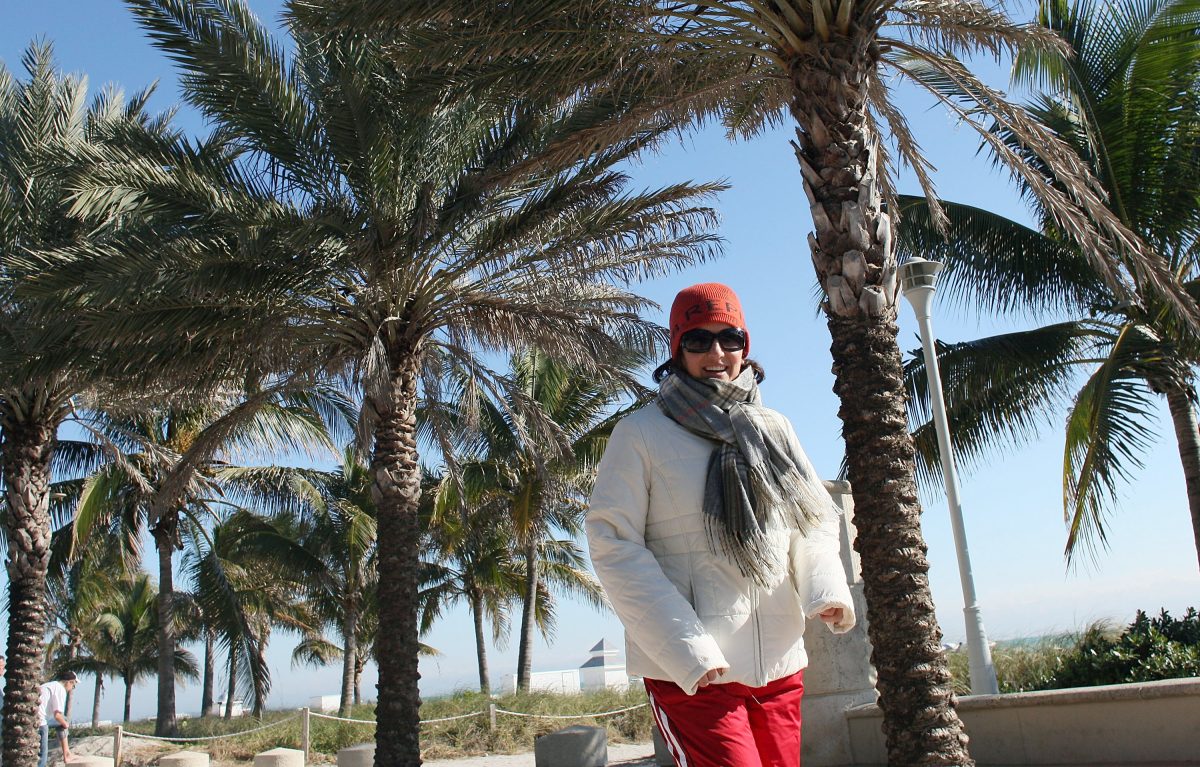
A freeze warning will be in effect in parts of Broward and Miami-Dade counties this weekend as temperatures were expected to dip to sub-freezing, according to the National Weather Service.
A freeze watch was upgraded to a freeze warning on Friday afternoon. The warning will go into effect from 10 p.m. Saturday through 10 a.m. Sunday. It applies to inland Collier, Broward and Miami-Dade, including Redland, Florida City and the Miccosukee Indian Reservation.
SOUTH FLORIDA COLD
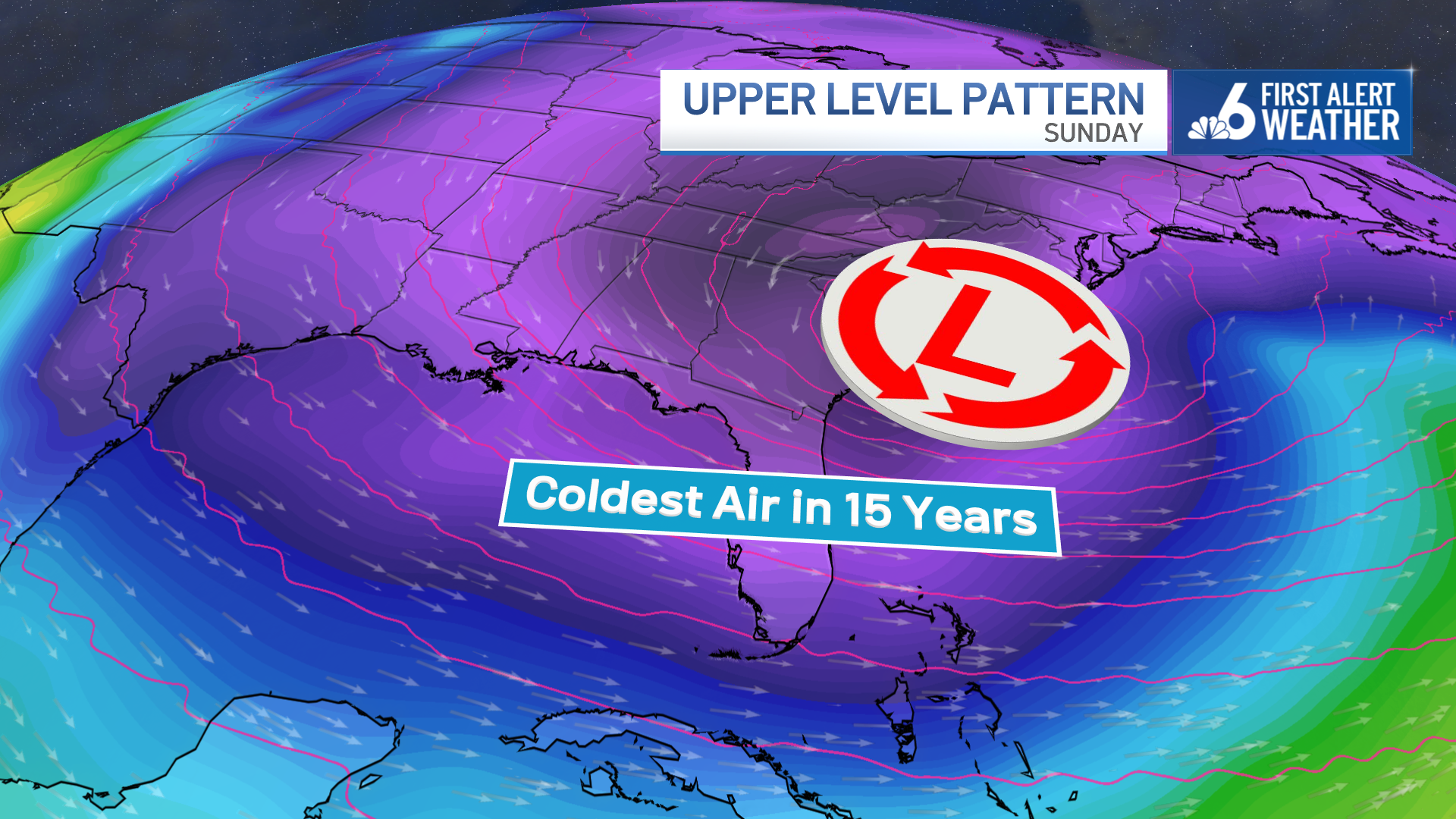
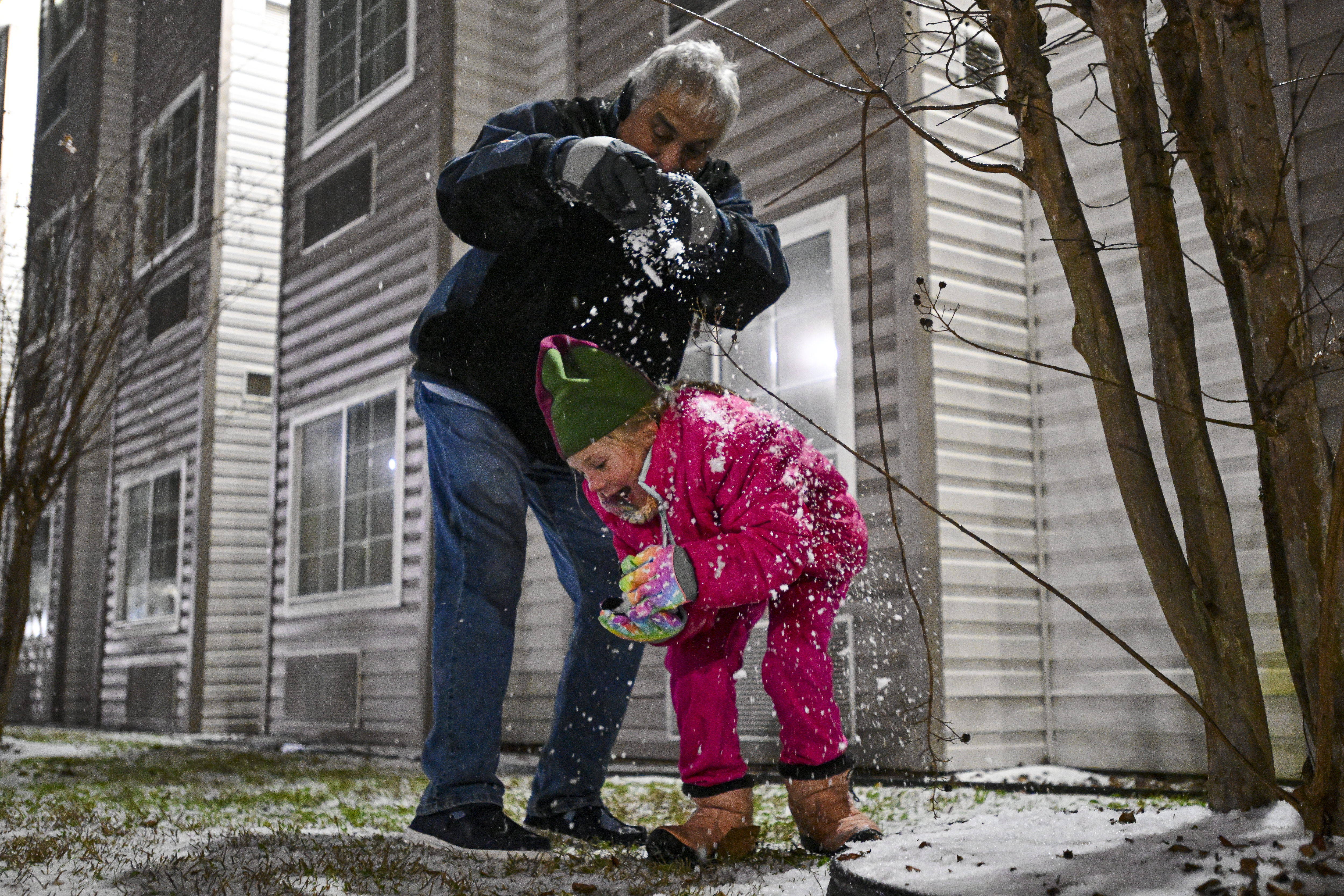
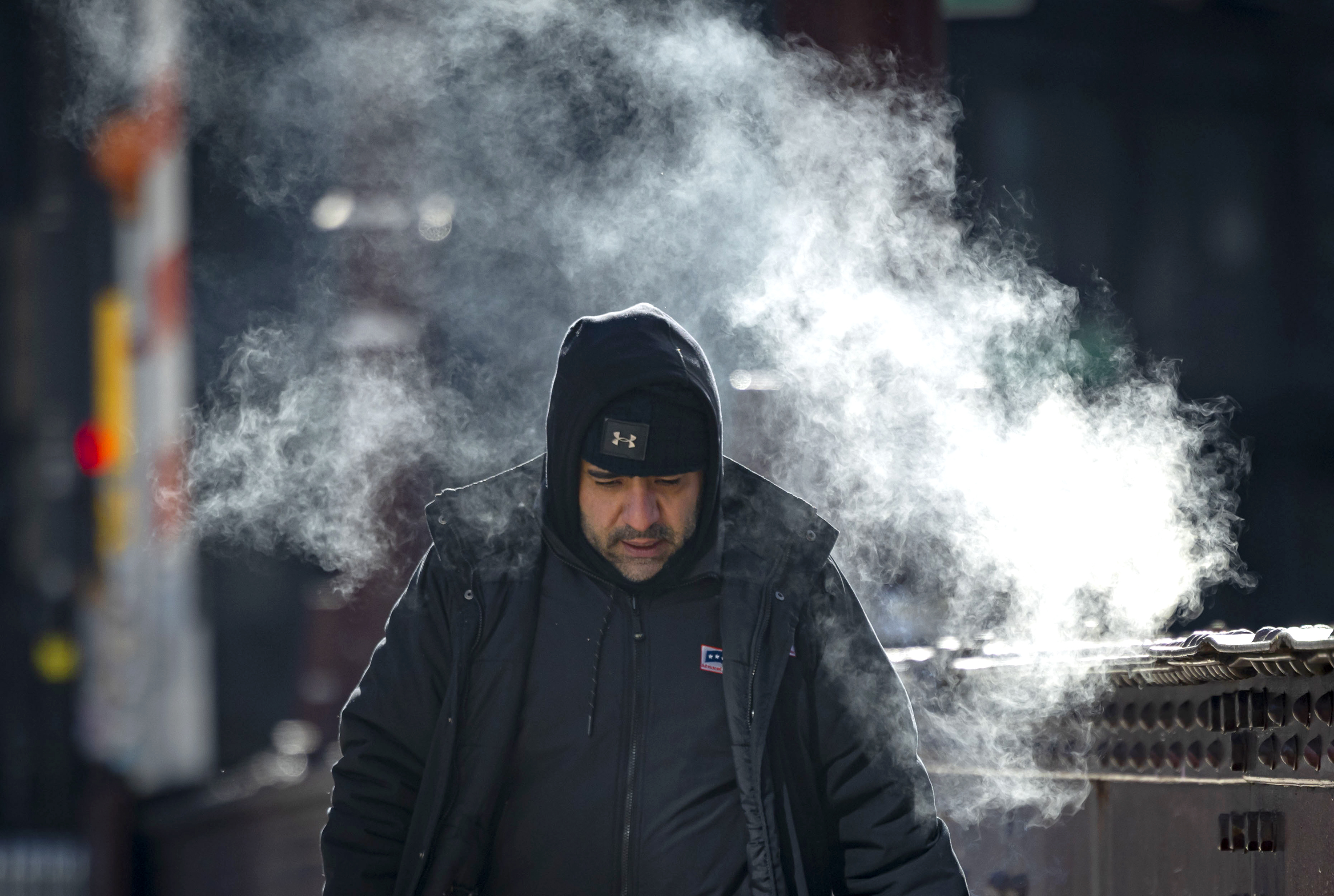
The warning was issued for expected sub-freezing temperatures as low as the upper-20s to lower-30s.
The NWS says a freeze warning tells residents that they should take action, because temperatures are forecasted to go below 32°F for a long period of time.
“This temperature threshold kills some types of commercial crops and residential plants, while temperatures below 28°F for an extended period of time can kill most types of commercial crops and residential plants,” officials said.
It’s expected to be the coldest air seen in South Florida since December 2010.
Ahead of the upcoming cold blast this weekend, we're sure y'all are all wondering: when was the last time that temperatures dropped below average to near freezing across South Florida?
We have the answer for you! Here are some cold temperatures stats for our four climate sites. pic.twitter.com/mI4qrzNXVl— NWS Miami (@NWSMiami) January 29, 2026
Florida could experience record cold
Ana Torres-Vazquez, a forecaster with the National Weather Service in Miami, said a cold front earlier this week has already caused temperatures to dip some, but the region could experience record-setting cold this weekend.
“It looks like temperatures across South Florida are dipping into the 30s (Fahrenheit) for most of the metro area and maybe into the 20s for areas near Lake Okeechobee,” Torres-Vazquez said. “And then the windchill could make those temperatures feel even cooler.”
Residents of South Florida are less likely to have heavy coats and other winter clothes, so Torres-Vazquez said it’s important to layer up lighter clothing and limit time spent outside.
Zoo keepers working to keep animals safe and warm
Zoo Miami spokesman Ron Magill said keepers have been setting up heaters and moving reptiles and smaller mammals to indoor enclosures, while primates like chimpanzees and orangutans are given blankets to keep themselves warm. Big cats and large hoofed animals generally do well in colder temperatures and don’t require much assistance from keepers.
“It can be invigorating for animals like the tiger, so they’ll actually become more active,” Magill said.
Outside the safety of the zoo, Florida’s native wildlife has evolved and learned to survive occasional cold snaps, though casualties will still occur, Magill said. Manatees, for example, have spent decades congregating at the warm-water outflows of about a dozen power plants around Florida.
But invasive, nonnative animals like iguanas and other exotic reptiles will suffer the most, Magill said. Iguanas in South Florida famously enter a torpid state during cold periods and even fall out of trees. They usually wake up when the temperature increases, but many will die after more than a day of extreme cold.
“At the end of the day, they don’t belong here, and that might be nature’s way of trying to clean that up a little bit,” Magill said. “That is a part of natural selection.”