Emotional testimony: Mother of child left to die by alligators speaks during resentencing

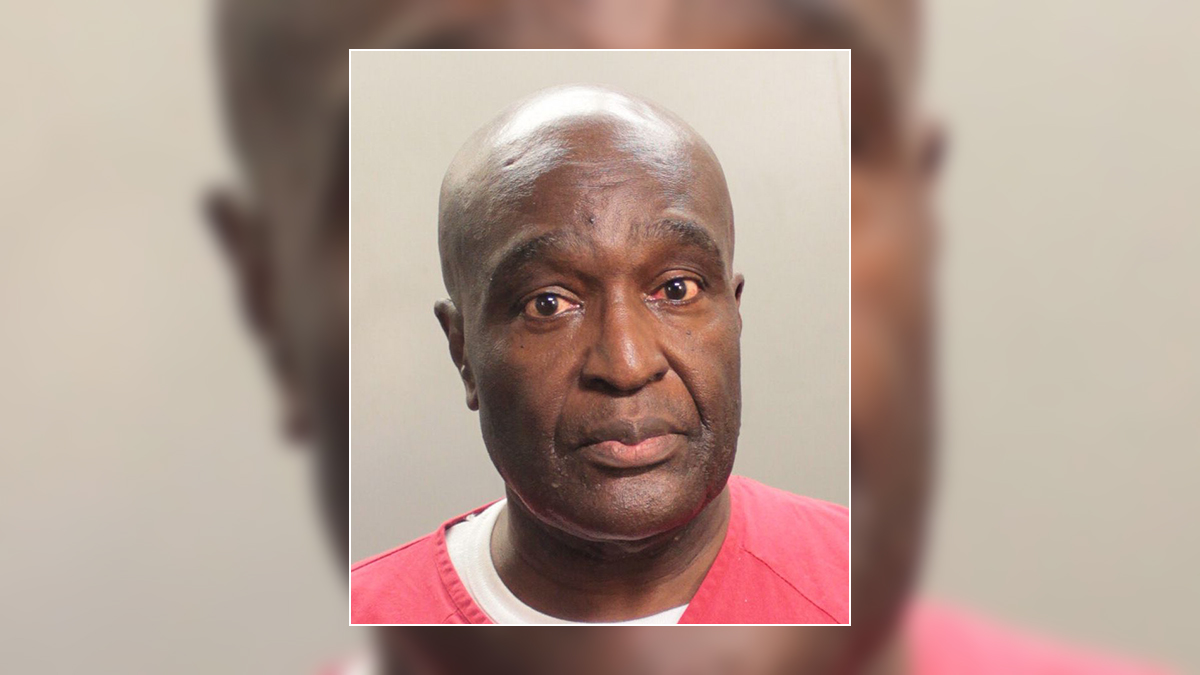
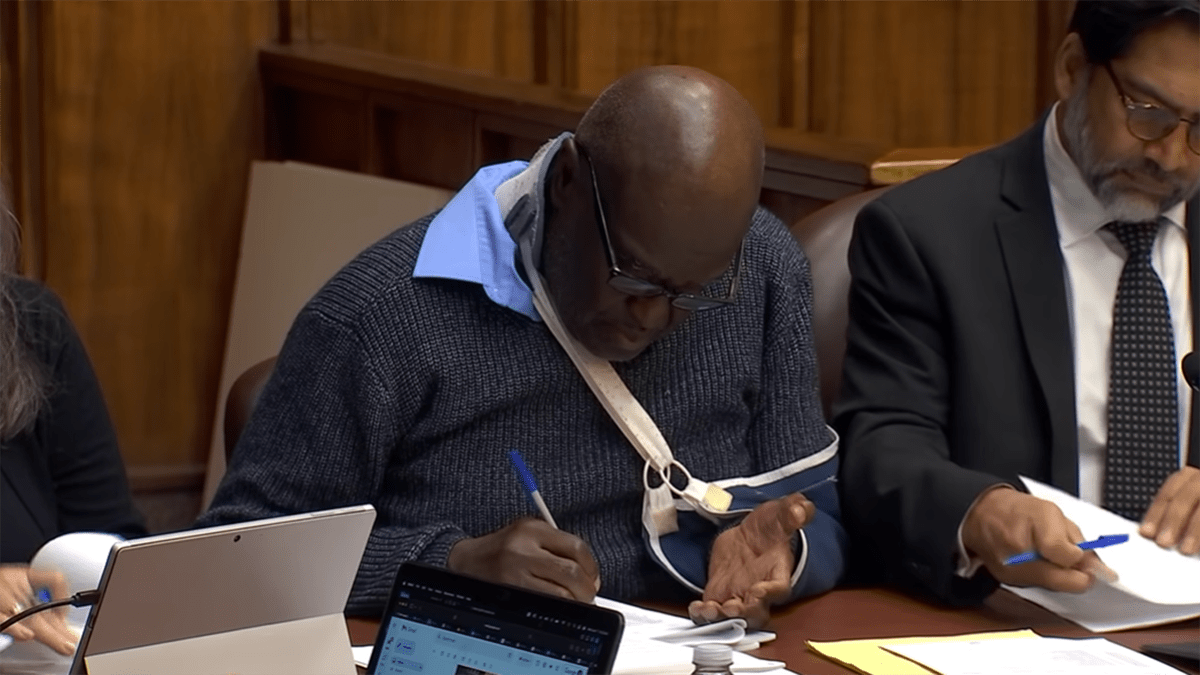
The resentencing trial continues for convicted killer Harrel Braddy.
In 2007, Braddy, now 76, was found guilty of first-degree murder, kidnapping, and other charges in the 1998 killing of 5-year-old Quantisha Maycock.
“She was five years old. She was smart. She was loving. She was sweet like candy,” State Attorney Abbe Rifkin told jurors last week on the first day of the resentencing hearing.
Prosecutors said Braddy had been in a relationship with the child’s mother, Shandelle Maycock, and was known to show up unannounced at her efficiency apartment.
Shandelle testified that Braddy became upset after she asked him to leave because she was expecting company.
According to prosecutors, on November 7, 1998, Braddy beat and choked Shandelle, forced her into the trunk of his car, and later left her in a remote area along U.S. 27 near the Broward–Palm Beach county line.
Shandelle managed to escape in the dark and walk to safety. Prosecutors said Braddy, however, took her daughter to nearby canals and left her there.
Authorities believe Quantisha was attacked by alligators and later consumed by other animals, including snapping turtles.
“My life will never be the same. For 27 years I have been on an emotional roller coaster. I have had countless sleepless nights. Loss of appetite. Anxiety attacks thinking about what happened to my child,” Maycock said.
Last week, former medical examiner Dr. Emma Lew testified and showed jurors brain scans of Quantisha.
“Are those three puncture wounds into the skull of Quantisha Maycock consistent with an alligator biting the top of her head?” Rifkin asked.
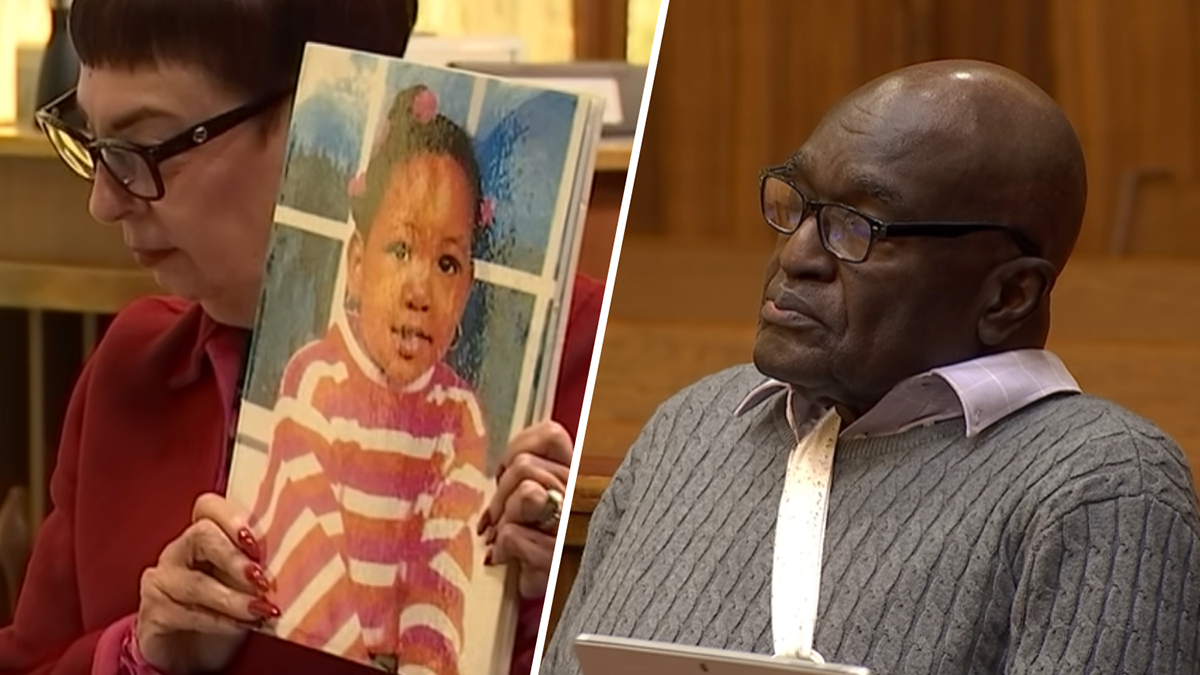
“Yes,” Lew responded. “These two punctures would be consistent with alligator teeth.”
In 2007, jurors found Braddy guilty of kidnapping and killing Shandelle and killing her child. The jury recommended the death penalty, and a judge later sentenced him to death row.
That sentence was overturned in 2017 after the U.S. Supreme Court ruled Florida’s death penalty sentencing law unconstitutional.
As a result, the Florida Supreme Court ordered several death sentences vacated and granted new penalty phase trials.
In this resentencing phase, Braddy again faces the possibility of the death penalty, this time under Florida’s 2023 law, which allows a death sentence to be recommended by an 8–4 jury vote. The judge ultimately decides the sentence.
Court records show Braddy was a convicted felon who had previously been sentenced to 30 years in prison but was released after serving approximately 18 months, shortly before Quantisha’s killing in 1998.